.png)


Kindness Clubs - YES, IT'S A THING! AND POPULAR


In a world filled with constant headlines about division, stress, and negativity, one simple thing still has the power to bring people together: kindness.
Not massive campaigns. Not million-dollar projects. Just everyday people choosing to care about one another.
A kind word to a cashier. Holding the door open for someone. Checking on a neighbor. Supporting a local business. Writing a thank-you note to a teacher. These small moments may seem insignificant at the time—but together, they create something powerful: community culture.
And increasingly, towns and cities across the country are realizing that kindness itself can become a community development strategy.
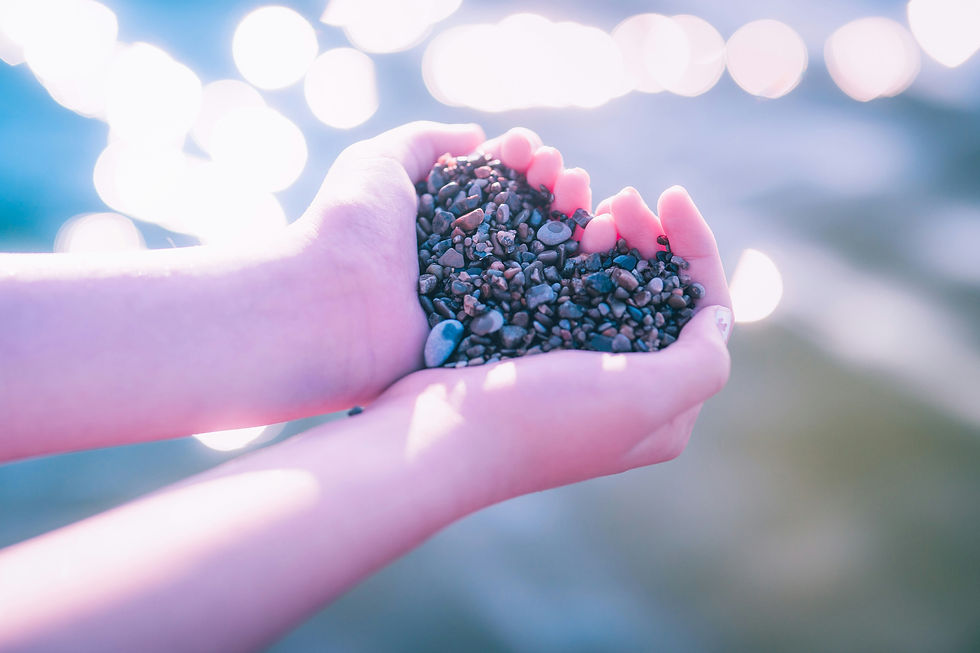
Research continues to show that kindness has measurable impacts on mental health, social connection, and even local engagement. According to researchers at the Cleveland Clinic, acts of kindness can reduce stress, improve emotional well-being, and strengthen social bonds.
But kindness also creates something communities desperately need right now: belonging.
When people feel connected to where they live, they are more likely to:
Volunteer
Support local businesses
Attend community events
Invest in neighborhood improvement
Stay engaged locally
That means kindness doesn’t just improve moods—it can strengthen entire towns.
Communities Creating “Kindness Clubs”
Across the United States, schools, organizations, and communities have started forming “Kindness Clubs” and kindness-focused initiatives aimed at spreading positivity and encouraging civic connection.
Random Acts of Kindness Foundation
The nonprofit organization promotes kindness education and community engagement programs nationwide. Schools and local groups use their free kindness resources, challenges, and campaigns to encourage more positive interactions in communities.(Source: randomactsofkindness.org)
Ben’s Bells
Based in Tucson, this nationally recognized organization was created to inspire intentional kindness through public art, school programs, and community outreach. Their message is simple: kindness changes communities.(Source: bensbells.org)
Kindness 101
Created by Steve Hartman and supported by CBS News, the initiative highlights real-world kindness stories and provides educational resources designed to help communities and schools foster empathy and positivity.
The Kindness Rocks Project
Communities across the country participate in this movement by painting uplifting messages on rocks and placing them throughout parks, downtowns, trails, and public spaces to brighten someone’s day.(Source: thekindnessrocksproject.com)
Small Towns Have a Unique Advantage
Because relationships still matter. People recognize familiar faces. Local businesses know their customers by name. Volunteers still show up. Churches, schools, libraries, and downtown organizations often work closely together.

That creates an environment where positivity can spread quickly.
One simple act of kindness can create a chain reaction:
A business owner helps sponsor a youth event.
Residents rally around a struggling family.
Neighbors organize a cleanup project.
Students create thank-you cards for first responders.
A downtown hosts a “Kindness Week.”
Before long, those small actions begin shaping the identity of the community itself.
Kindness Is Contagious
One of the most powerful things about kindness is that it multiplies.
Studies published by researchers at Harvard University and other institutions have found that witnessing kindness often inspires others to act kindly themselves—a phenomenon sometimes called “moral elevation.” In other words: When people see good happening around them, they want to participate.
That’s how communities change.
Not all at once. But through thousands of small moments that slowly create trust, hope, and momentum.
A Challenge for Communities
What if every downtown organization, school, chamber, business, or civic group committed to one intentional act of kindness each week?
Imagine the impact over a year.
Cleaner parks. Stronger neighborhoods. More connected residents. More positivity online. More support for local businesses. More pride in where people live.
Communities don’t always need massive budgets to improve. Sometimes, they simply need more people willing to care.
Because in the end, kindness may be one of the most powerful economic and social development tools a town has.


Comments